Our Vision and Mission
Purpose
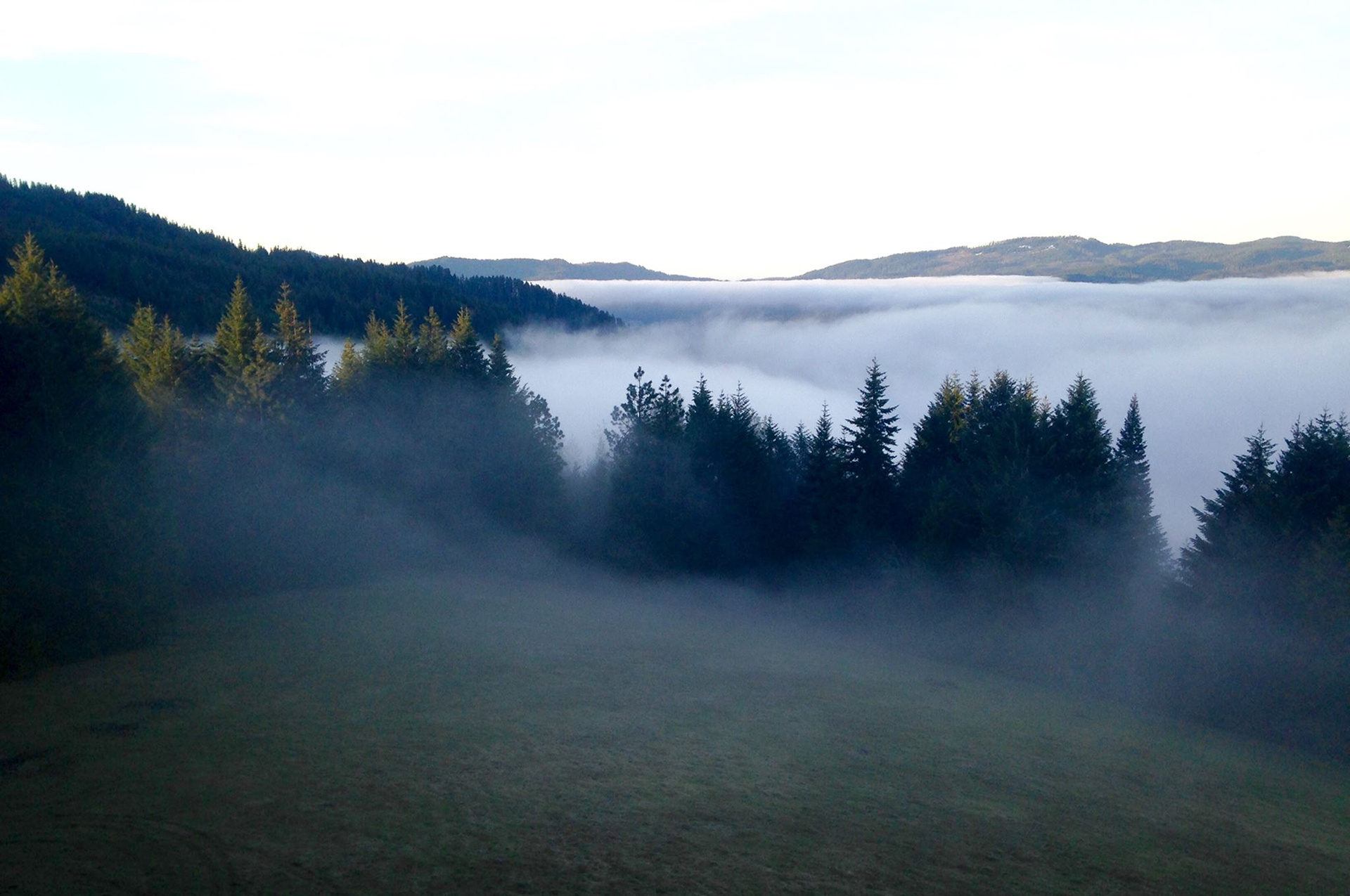
We envision a healthy environment surrounding vibrant communities that are a product of restoration ecology and good stewardship. Through advocacy and collaboration we provoke flourishing ecosystem services such as clean air, clean water and abundant biological diversity in verdant landscapes.
Means
Our organization is an all volunteer community based 501(C)3 non-profit non-governmental organization. We support local innovations, projects and services by acting as an umbrella institution on behalf of groups and individuals in our communities
How else can we help?
Project resource assistance
SURCP can provide guidance to acquire resources for projects in a broad range of community and ecological issues.
Liaison services for projects with agencies.
SURCP has a long history of collaborative interactions through which we have developed a strong relationship with Federal, State and non-profit organizations.
Project consultation
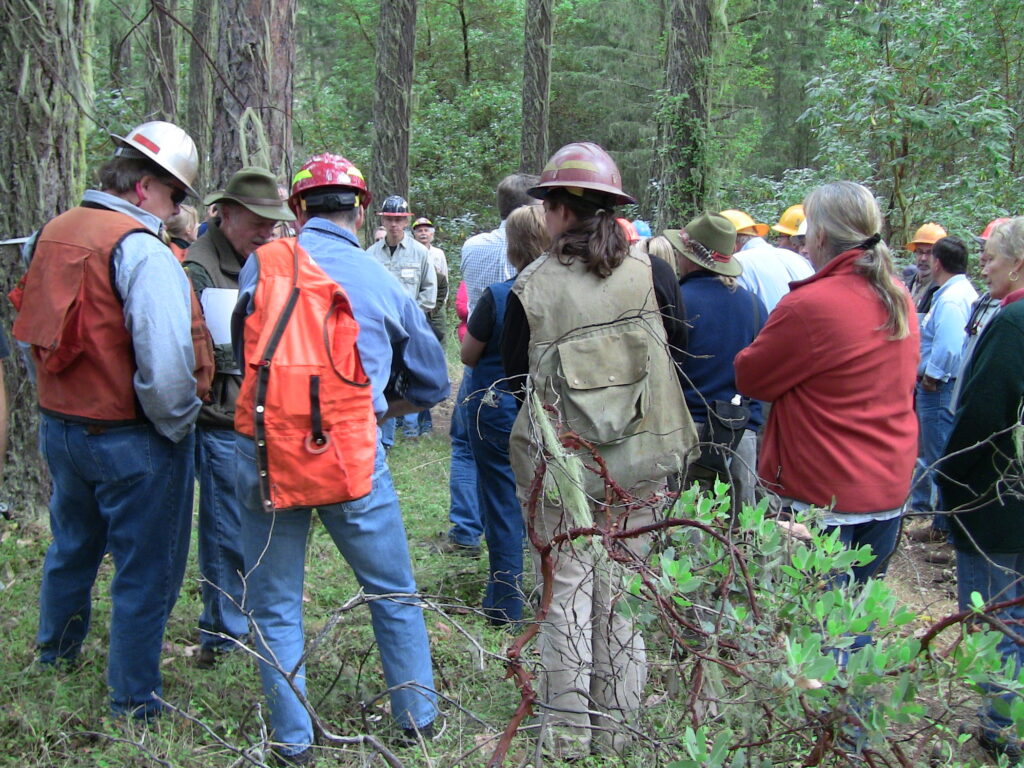
SURCP has decades of experience developing and implementing a broad spectrum of social and ecosystem services projects. We sponsor restoration projects throughout the South Umpqua river basin.
Do you want to...
Meet our core Directors team?
Review some of our cool projects?
Things to know about SURCP.org
SELECT ANY ICON ON THE LEFT
Get Involved!
Get Involved
SURCP teams and committees are made up of volunteer community members just like you.
Covid Impacts
We are deeply concerned with the health of our communities. Since the onset of covid our monthly meetings have come to a halt. We are currently investigating using zoom to support our project updates and Board meetings. Contact any one of the Directors for the latest updates.